
Product Comparisons
Blink vs Ring in 2026: Honest Comparison From a Security Pro
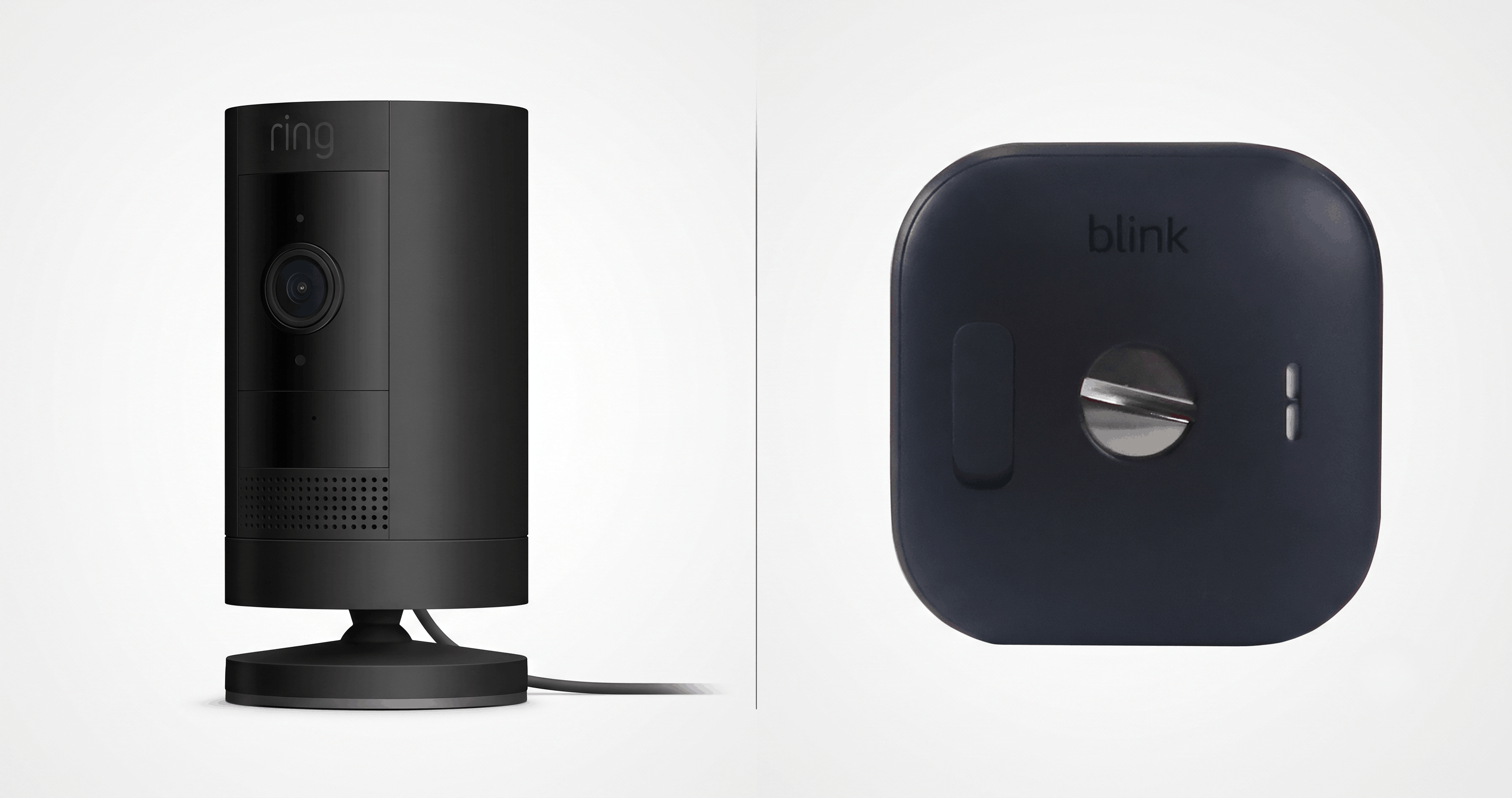
Blink or Ring for home security in 2026? Real head-to-head comparison of price, image quality, subscriptions, and installation. See our pick.
This is a research-based comparison built from manufacturer spec sheets, Ring Protect pricing pages, and the FTC's 2023 Ring settlement records. Prices and tiers are current as of July 2026 and are labeled approximate.
You have $200 to spend on your first home security camera and you keep landing on the same two brands. Blink or Ring. Which one actually wins? The short answer is that Blink wins on price and no forced subscription, Ring wins on the doorbell and outdoor coverage, and both are entry-level DIY systems owned by Amazon. If you want a real system that grows with your home instead of locking you into monthly fees, there is a third answer most buyers never hear. This guide compares Blink and Ring across the seven things that actually matter to buyers, then shows you when to skip both.
Quick verdict at a glance
| Category | Winner |
|---|---|
| Best for renters | Blink |
| Best doorbell | Ring |
| Cheapest to run long-term | Blink |
| Best video quality (indoor) | Ring |
| Best for outdoor coverage | Ring |
| Best smart home integration | Ring (strong Alexa, weak Google/Apple) |
| Best without a subscription | Blink |
| Best overall for most buyers | Blink, if you want the cheapest good-enough option |
| Best for a serious system | Neither. See the pro-alternative section. |
Here is the caveat that shapes everything below. Both Blink and Ring are Amazon brands built for entry-level DIY. If you want a step up in image quality with no monthly subscription, jump to the third-option section. If you still want one of the two Amazon brands, keep reading.
Blink strengths and weaknesses
Blink is worth buying if you want the cheapest way to see who is at the back door, you are fine with 1080p video, and you never want to pay a monthly fee. It is not the right pick if you need a doorbell as the priority, or if you live somewhere with real winters.
What Blink does well
- Battery life of about two years on AA lithium cells, longer than any other name-brand consumer camera at this price
- Cheapest cameras in the category, with the Blink Mini 2 starting around $35 (approximate, as of July 2026)
- No monthly fee required if you own the Sync Module 2 and attach a USB drive for local storage
- Simple app with a low learning curve
- Fast setup, typically about 15 minutes for the first camera
Where Blink falls short
- Video caps at 1080p on all current outdoor models
- Narrower field of view than Ring, around 143 degrees
- Motion detection weakens in cold weather, with real-world battery life dropping noticeably below the two-year claim
- No 4K option anywhere in the lineup
- Amazon ecosystem lock-in, with Alexa integration and little else
For an independent third-party read that reaches a similar conclusion, see SafeWise's Blink vs Ring comparison, last updated February 2025.
Ring strengths and weaknesses
Ring is worth buying if a video doorbell is your first priority, you already use Alexa devices, and you accept that you will need to pay for Ring Protect to actually save your video. It is not the right pick if you refuse subscriptions, or if you use HomeKit as your primary smart home platform.
What Ring does well
- Best doorbell camera at the consumer level, both in hardware and app polish
- Better night vision than Blink, with color night vision on higher-tier models
- Wider ecosystem, including Ring Alarm, Ring Chime, and full Alexa integration
- Stronger package theft features, including package alerts and package detection on higher tiers
- Longer historical footage retention on paid Ring Protect plans
- The second-generation Stick Up Cam is a genuinely good outdoor option, not just a doorbell add-on
Where Ring falls short
- Video history requires Ring Protect, priced from about $5 to $20 per month depending on tier (approximate, as of July 2026)
- Cameras stop recording motion clips after 30 seconds without an active subscription
- A history of privacy issues, including the 2019 employee-access disclosure and the 2023 FTC settlement covering both privacy and children's data violations (FTC press release, May 2023)
- Not all features work with Ring Bridge, which can be confusing for buyers mixing older and newer hardware
- HomeKit support is not part of Ring's roadmap as of 2026
The subscription math: Over five years, Ring Protect Plus adds about $600 to the cost of a Ring setup. That is a real number worth comparing against a one-time-purchase system with no monthly fee. Section 7 does the full five-year math.
Head-to-head feature comparison
The table below covers what most buyers ask about within the first five minutes of shopping. The two rows that matter most are video resolution and subscription. Most buyers ignore both until they own the cameras, then regret it.
| Feature | Blink | Ring |
|---|---|---|
| Starting camera price | ~$35 (Blink Mini 2) | ~$100 (Stick Up Cam) |
| Doorbell camera | Yes, from ~$60 | Yes, from $100 to $250, better hardware |
| Video resolution | 1080p max | Up to 2K on higher-tier models |
| Field of view | 143° | 155° |
| Night vision | Infrared only | Infrared plus color on higher tiers |
| Motion detection zones | Basic | Advanced with AI, paid tiers |
| Local storage | Yes (Sync Module 2 plus USB drive) | Limited (Ring Alarm Pro base only) |
| Cloud subscription | Optional | Effectively required for saved video |
| Battery life | About 2 years | Typically 6 to 12 months |
| Weatherproofing | IP65 | IP54 to IP65, depends on model |
| Two-way audio | Yes | Yes |
| Works with | Alexa, IFTTT | Alexa, IFTTT, weak Google Assistant |
| Encryption | End-to-end (optional) | End-to-end (paid tier) |
| Subscription cost | $0 to about $10/mo | About $5 to $20/mo |
Two rows to underline. Video resolution decides whether you can read a license plate at 20 feet or make out a face at your front door in low light. Subscription cost is what turns a $200 hardware purchase into a $700 or $1,000 total five-year spend. Both matter more than they look.
Video quality face-off
Ring wins video quality on average, and the gap widens on higher-tier models. Here is the honest breakdown.
In daylight, Blink's 1080p output is clean and adequate for face recognition at about 15 feet. It looks like a good phone camera from three years ago. Ring's 2K output on the Video Doorbell Pro 2 and Stick Up Cam Pro is noticeably sharper, with better license plate capture at about 20 feet.
At night, Ring's lead grows. Blink relies on infrared only, which produces a grainy monochrome image. Ring's higher-tier cameras include color night vision, which uses a low-lux sensor with the porch light on to produce a real color image at short range.
In practical terms, if you only need to confirm somebody is at the door, either brand works. If you want usable footage for a police report at night, Ring's Pro line is the better choice inside this two-brand comparison. If you want 4K resolution or 100-foot color night vision, both brands will disappoint. For that, see the pro alternative below.
Subscription and pricing math
This is the most important section in the article. Hardware price is the sticker. Subscription is what you actually pay for.
Here is the five-year total cost of ownership for a small home covered by four cameras. All prices approximate, as of July 2026.
Blink 5-year total
| Item | Cost |
|---|---|
| 4 Blink Outdoor 4 cameras (bundle) | $250 |
| Sync Module 2 (included in bundle) | $0 |
| 128GB USB drive for local storage | $15 |
| Subscription (using local storage) | $0 |
| Replacement AA lithium batteries over 5 years | $60 |
| Total, no subscription | ~$325 |
| Total, with Blink Subscription Plus ($100/yr) | ~$825 |
Ring 5-year total
| Item | Cost |
|---|---|
| 4 Ring Stick Up Cam Battery units | $400 |
| Ring Protect Plus, needed to save clips ($10/mo x 60 months) | $600 |
| Charging and battery accessories | $80 |
| Total | ~$1,080 |
For homeowners planning a system that will grow with them, that five-year Ring math is not $400 for hardware. It is $1,080 including the subscription that makes the hardware useful. Once you know that, comparing Ring against a one-time-purchase PoE system (no monthly fee, higher resolution) tells a different story. See the section below on when to skip both Blink and Ring.
Installation and ease of use
Both Blink and Ring are DIY-friendly and aimed at renters and first-time buyers. Neither one requires a hired installer for a basic setup.
- Setup time: Blink runs 15 to 20 minutes per camera. Ring runs 20 to 30 minutes per camera, mostly because the app pushes more optional steps.
- App experience: Ring's app is more polished but pushes you toward subscriptions at every turn. Blink's app is simpler with fewer features and fewer prompts.
- Mount options: Blink is limited to the included mount and a small aftermarket. Ring has a wider third-party mount ecosystem.
- Wiring: Both are battery-powered for the cameras, no wiring required. Ring doorbells work with existing doorbell chime wire or a plug-in power adapter.
For renters, either brand installs without leaving damage. For homeowners who plan to hardwire cameras, a PoE system saves money and reliability over five years.
Smart home integration
Neither brand is great for mixed smart home households.
- Blink works with Alexa. That is essentially it. Echo Show displays work well as a viewing screen.
- Ring works with Alexa natively. Google Assistant integration is weak. HomeKit is not supported and is not on the roadmap as of 2026.
If your home mixes Google Nest, Alexa, and HomeKit devices, neither Blink nor Ring is the right long-term answer. This is where ONVIF-compatible cameras like the Uniview and Axis lines pull ahead. They work with any NVR and any third-party app that speaks the ONVIF standard, so you are not locked to one voice assistant vendor.
Privacy and data handling
Both brands are Amazon-owned. Ring was acquired in 2018. Blink was acquired in 2017. Both share Amazon's account infrastructure and both have appeared in privacy news for the same reason: cloud footage stored on Amazon servers and shared across a corporate structure that also runs the largest cloud provider in the world.
Two Ring incidents matter to buyers:
- 2019: Ring disclosed that certain employees and third-party contractors had access to customer video footage. Access controls were tightened afterward.
- 2023: The FTC reached a $5.8 million settlement with Ring covering privacy violations and children's privacy issues. Full press release: FTC.gov, May 2023.
Retention policies vary by subscription tier. Free-tier Ring keeps only live view and short motion notifications. Paid tiers store clips for 30 to 180 days. Blink stores locally at no cost if you own the Sync Module 2. End-to-end encryption is available on both brands but on a paid tier only. Law enforcement data sharing is documented for Ring and less documented for Blink; Ring's Neighbors app and its partnerships with police departments received scrutiny throughout 2021 and 2022.
Buyers who care about these issues will make their own call. The facts are on the record.
When to consider a pro-grade alternative
Blink and Ring are entry-level systems built for a specific buyer. If any of the following apply to you, look at a pro-grade DIY camera instead of the Blink or Ring lineup.
- You own the home and can run cable through walls or attics
- You want 4K resolution instead of 1080p to 2K
- You refuse to pay a monthly subscription for footage
- You have more than 4 cameras in mind
- You want the cameras to keep recording if your internet goes down
- You want the option to hire a pro installer down the road
For single-camera buyers who want better image quality than Blink or Ring, the Uniview IPC2128SR3 is a 4K bullet camera with IP67 weatherproofing, 100-foot night vision, and full ONVIF compatibility. Pair it with any ONVIF-compatible NVR and you have a serious camera setup with no monthly fee.
For wider outdoor coverage or multi-camera builds, browse our full range of security cameras.
Try this instead: if your five-year budget lands between $800 and $1,500 and you own your home, skip Blink and Ring. Start with a pro-grade DIY kit and add cameras as you go.
Who should buy Blink
Buy Blink if you meet most of these:
- You rent and cannot run cable
- Your total budget is under $300
- You already have Alexa devices at home
- You want batteries instead of wires
- You accept 1080p as good enough
- You do not need a doorbell as your first camera
Recommended starter set: the Blink Outdoor 4 three-camera bundle, plus a 128GB USB drive for local storage.
Who should buy Ring
Buy Ring if you meet most of these:
- A doorbell camera is your first priority
- You already have Ring Alarm or plan to add it
- You want Alexa integration and app polish
- You are comfortable paying $5 to $20 per month for cloud features
- You accept 1080p to 2K quality
- You want the strongest package theft features at consumer level
Recommended starter set: one Ring Video Doorbell plus one Stick Up Cam Battery, plus a Ring Protect Basic or Plus subscription.
Frequently asked questions
Do Blink cameras work without wifi?
Blink cameras need wifi to reach your phone. If your wifi drops, cameras keep recording locally to the Sync Module 2 with a USB drive attached, but you lose live view and notifications until the wifi returns. Ring cameras cannot record without wifi at all.
Is Blink owned by Amazon?
Yes. Amazon bought Blink in 2017. Ring is also owned by Amazon, acquired in 2018. Both share Amazon's account system.
Can I use Blink cameras without a subscription?
Yes, if you own the Sync Module 2 and attach a USB drive. Motion clips save locally at no cost. You lose Blink's cloud features like Person Detection AI. Ring, by contrast, needs a subscription for saved recordings. Ring Alarm Pro base has limited local storage but the standalone Ring cameras do not.
How long does the Blink battery actually last?
Blink advertises two years. Real-world users report 12 to 18 months at high motion-detection settings. Cold weather cuts battery life roughly in half. Amazon-brand lithium AA cells perform noticeably better than alkaline.
Which brand has better image quality?
Ring, on average. Ring's mid-tier and higher cameras (Stick Up Cam Pro, Spotlight Cam Pro, Video Doorbell Pro 2) shoot up to 2K and support color night vision. Blink caps at 1080p on outdoor cameras. If image quality is your top priority, neither brand wins over a 4K PoE camera like the Uniview IPC2128SR3.
Can I mix Blink and Ring cameras in one system?
No. Each brand runs a separate app. You would switch between apps to check different cameras. If you want one app for everything, look at ONVIF-compatible cameras with a unified NVR.
What if I already own Ring and want to add better cameras later?
Ring cameras do not integrate with third-party NVRs. You would run a parallel system, which is why buyers who plan for the long term often skip Ring in favor of a system-first setup from the start.
Final recommendation
Here is the decision path in plain terms.
- If your budget is $200 and you rent, buy Blink. It is the cheapest good-enough option, and there is no monthly fee if you use local storage.
- If a doorbell is your first camera, buy Ring. It is the best consumer doorbell on the market, and Ring Alarm is a real ecosystem you can add to over time.
- If you own your home and want a real system that grows with you, skip both. Start with a single 4K PoE camera like the Uniview IPC2128SR3, or browse our full range of security cameras to build the system that fits your home.
Not sure which system fits your home? Talk to our team and we will walk you through it.